The Basics of Traumatic Brain Injury: Causes, Symptoms, and Diagnosis
Brain injury can have a profound impact on an individual's life, affecting their physical, cognitive, and emotional well-being. Understanding the causes, symptoms, and diagnosis of brain injury is crucial for early intervention and effective management.
In this article, we will delve into the various aspects of brain injury, shedding light on its causes, common symptoms, and the diagnostic process involved.
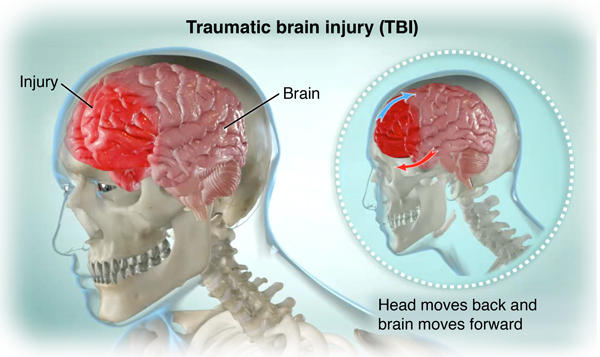
What are the Causes of Brain Injury:
1. Traumatic Brain Injury (TBI): a. Falls b. Motor vehicle accidents c. Sports-related injuries d. Assaults and physical violence e. Workplace accidents
2. Non-Traumatic Brain Injury: a. Stroke b. Brain tumors c. Infectious diseases d. Oxygen deprivation e. Severe seizures
Symptoms of Brain Injury:
1. Physical Symptoms: 1.Headaches 2. Dizziness and balance problems 3. Nausea and vomiting 4. Sensory impairments (vision or hearing loss) 5. Fatigue and sleep disturbances
2. Cognitive Symptoms: a. Memory problems b. Difficulty concentrating and focusing c. Impaired problem-solving skills d. Slowed thinking and information processing e. Language and communication difficulties
3. Emotional and Behavioral Symptoms: a. Mood swings and irritability b. Anxiety and depression c. Personality changes d. Impulsivity and difficulty regulating emotions e. Social withdrawal and isolation

Diagnosis of Brain Injury:
1. Medical History and Physical Examination: a. Detailed history of the injury and symptoms b. Neurological examination to assess motor and sensory functions c. Cognitive assessment to evaluate memory, attention, and executive functions
2. Imaging Tests: a. Computed Tomography (CT) scan b. Magnetic Resonance Imaging (MRI) c. Positron Emission Tomography (PET) scan d. Functional Magnetic Resonance Imaging (fMRI)
3. Neuropsychological Assessment: a. Assessing cognitive abilities, memory, attention, and problem-solving skills b. Evaluating emotional and behavioral functioning
4. Additional Diagnostic Procedures: a. Electroencephalogram (EEG) b. Blood tests to rule out other medical conditions


Comments
Post a Comment